
Digital Transformation

Digital Readiness for Modern Organizations: Where to Start

Digital readiness is not only about tools. It is about systems, capability, and leadership confidence.

By ZAN Multi Concept Ltd Editorial Team 5 min read Digital insight
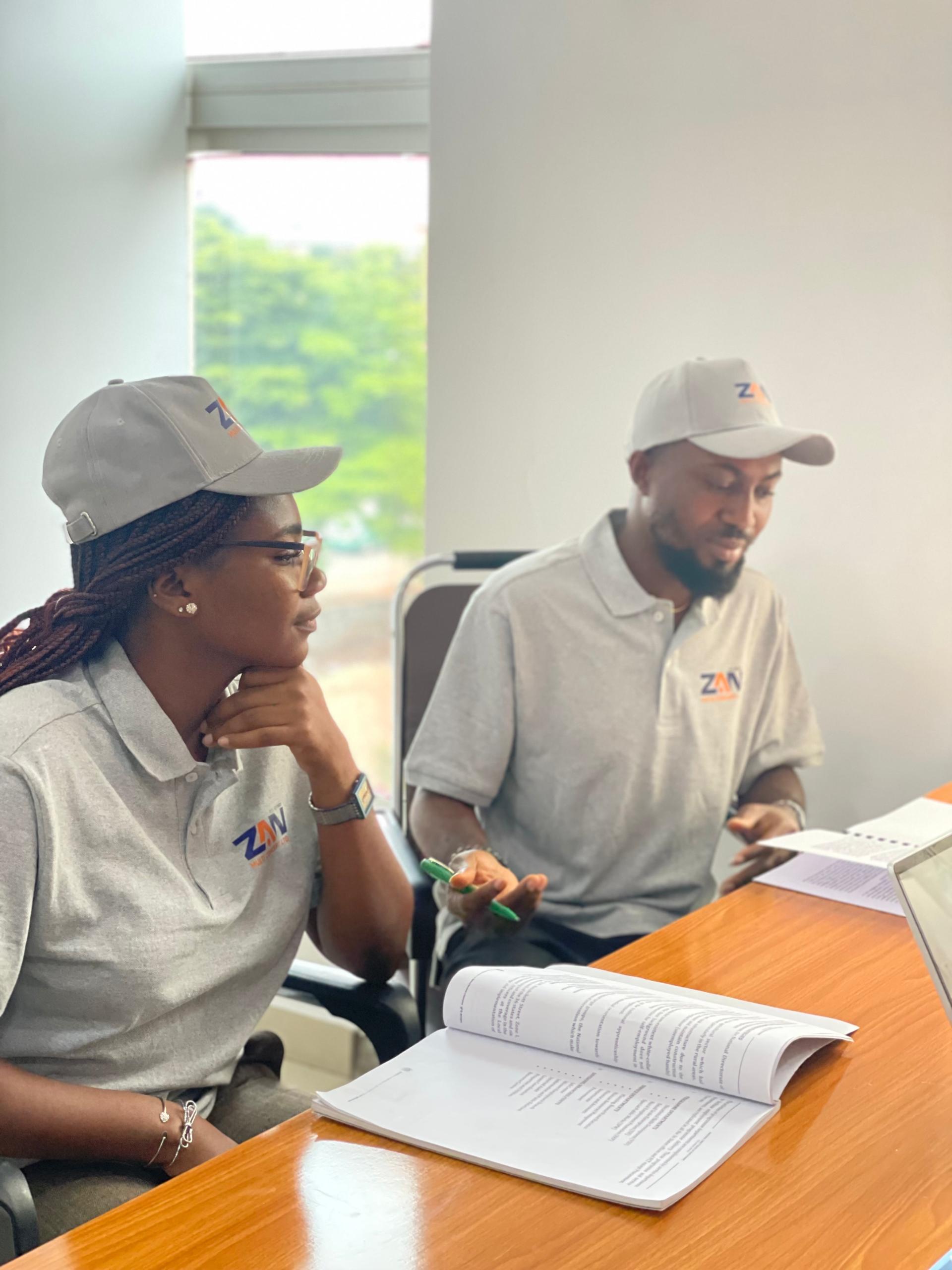
Digital coordination and organizational readiness planning

Digital readiness is bigger than software

Many organizations begin digital transformation by focusing on tools, but readiness starts with people, systems, and leadership decisions. Technology works best when it fits a clear operational goal.

Start with current workflows

Before investing in new platforms, organizations should assess how work currently moves across departments. This helps identify bottlenecks, duplicated tasks, and communication gaps that technology can improve.

Build capability alongside systems

New tools often fail when staff are expected to adapt without support. Digital readiness improves when training is planned early and when teams understand not only how a tool works, but why it matters.

  • Review current processes before choosing tools
  • Train teams with real use cases
  • Measure adoption and adjust implementation

Leadership confidence matters

Digital progress slows when decision-makers are unsure how to govern change. Leaders need practical frameworks for prioritization, accountability, and investment planning.

Closing thought

Organizations become digitally ready when systems, people, and leadership move together. The right starting point is rarely complexity. It is clarity.

Back to Blog

Related Posts

Sustainable Development

Climate Change and National Security: Building a Resilient Nigeria for Sustainable Development

Climate change is no longer simply an environmental issue, it is a strategic challenge that affects national security, economic prosperity, food systems, public health, and sustainable development. Building resilience today is essential to securing Nigeria's future.

Read article
Global War

The U.S.-Israeli War on Iran: Strategic Reflections for Africa and the Middle East

The military confrontation involving the United States, Israel, and Iran represents one of the most consequential geopolitical developments of the twenty-first century. Although the immediate conflict is rooted in longstanding disputes over Iran's nuclear programme, regional influence, ballistic missile capabilities, and support for allied non-state actors, its implications extend far beyond the borders of the Middle East.

Read article