
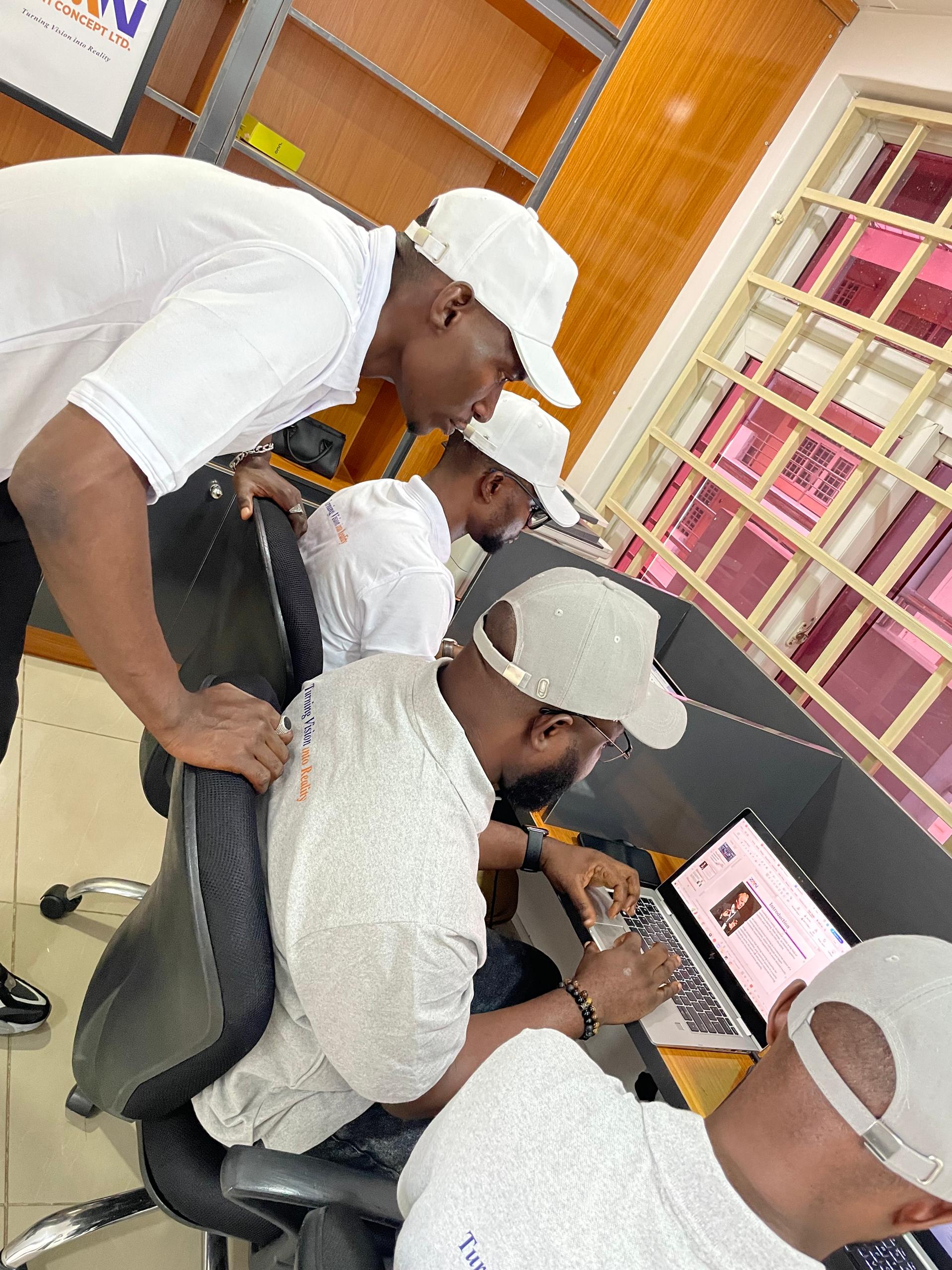
1. Build learning around real work
Training becomes more effective when it is connected to the daily decisions people already make. Instead of separating learning from performance, strong organizations design programs around live tasks, current projects, and practical case studies.
This approach helps staff see immediate value. It also makes it easier for managers to observe progress because the learning is visible in real outputs, not only in attendance records.
2. Blend digital tools with live facilitation
Digital platforms can expand access and reduce scheduling pressure, but they work best when combined with structured human support. Live sessions, guided reflection, and coaching help teams move from information to action.
- Use short digital modules for pre-work
- Follow with instructor-led workshops
- End with practical assignments and feedback
3. Personalize the learning path
Not every employee needs the same intervention. Teams perform better when training reflects role expectations, skill gaps, and growth priorities. Personalization does not need to be complex. It can start with clearer learning tracks for managers, technical staff, and operational teams.
4. Make peer learning intentional
People often learn best from one another. Structured peer learning can help organizations spread knowledge more quickly, improve collaboration, and strengthen accountability across teams.
Peer review sessions, internal knowledge circles, and guided team discussions can all turn training into a shared habit rather than a one-time event.
5. Measure outcomes, not only participation
Attendance is easy to track, but it does not tell the full story. Better evaluation looks at behavior change, operational improvement, and the quality of results after training.
Organizations should define success in advance. That may include stronger communication, faster execution, improved customer service, or better reporting accuracy.
Closing thought
Corporate training in 2026 should be practical, focused, and tied to measurable results. When learning is designed around real work and supported by the right structure, it becomes a growth tool and not just a calendar event.